Choosing the wrong photoelectric sensor type is one of the most common — and most avoidable — causes of unreliable production lines. A sensor that "sort of works" in dry weather then fails every time dust settles, or a diffuse unit that cannot see a black plastic part, costs far more in downtime than the price difference between sensor types. This guide gives you the decision framework our engineers use.
| Type | How it works | Range | Best for |
|---|---|---|---|
| Through-beam | Separate emitter + receiver across the target path | Longest (up to tens of meters) | Most reliable detection; dusty/dirty environments; opaque targets of any color |
| Retro-reflective | Emitter and receiver in one housing, light bounces off a reflector | Medium (0.1-4 m) | Conveyor object detection where wiring two units is impractical |
| Diffuse | Target itself reflects light back | Short (0.05-1 m) | When a reflector cannot be mounted; detecting from one side only |
| Fiber optic | Remote fiber heads + amplifier unit | Varies by head | Tight spaces, high EMI zones (next to VFDs), tiny targets, high precision |
Register detection on printed packaging (boxes, pouches, labels) needs a dedicated color mark sensor: a focused white/RGB LED spot and a fast, contrast-based amplifier tuned to see the mark against the background regardless of print color changes. Standard diffuse sensors are unreliable for this job because they measure light quantity, not color contrast.
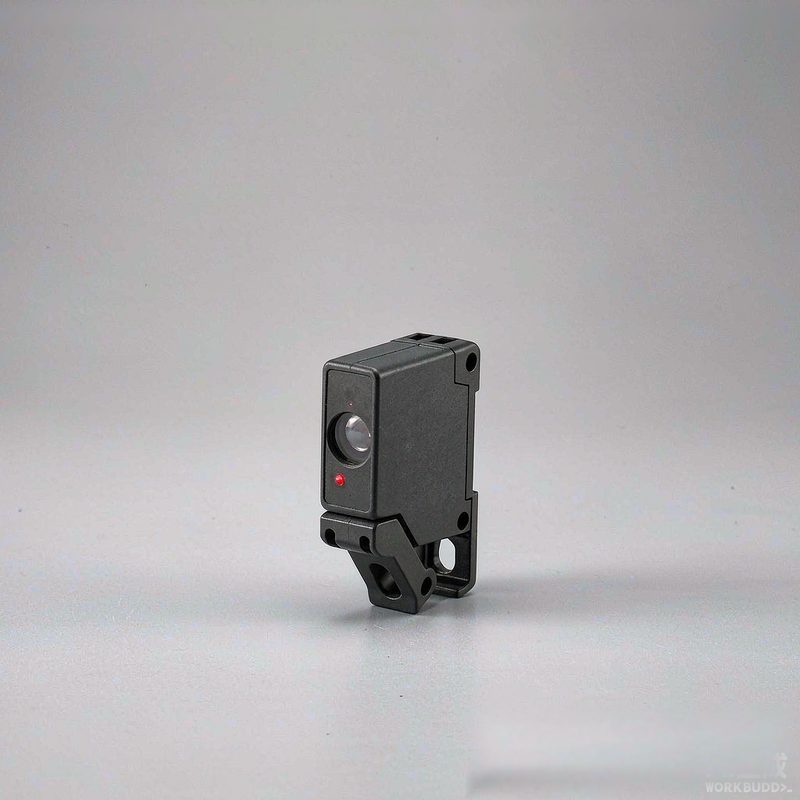 Generic Photoelectric Sensor Compatible with Omron E3Z-D62
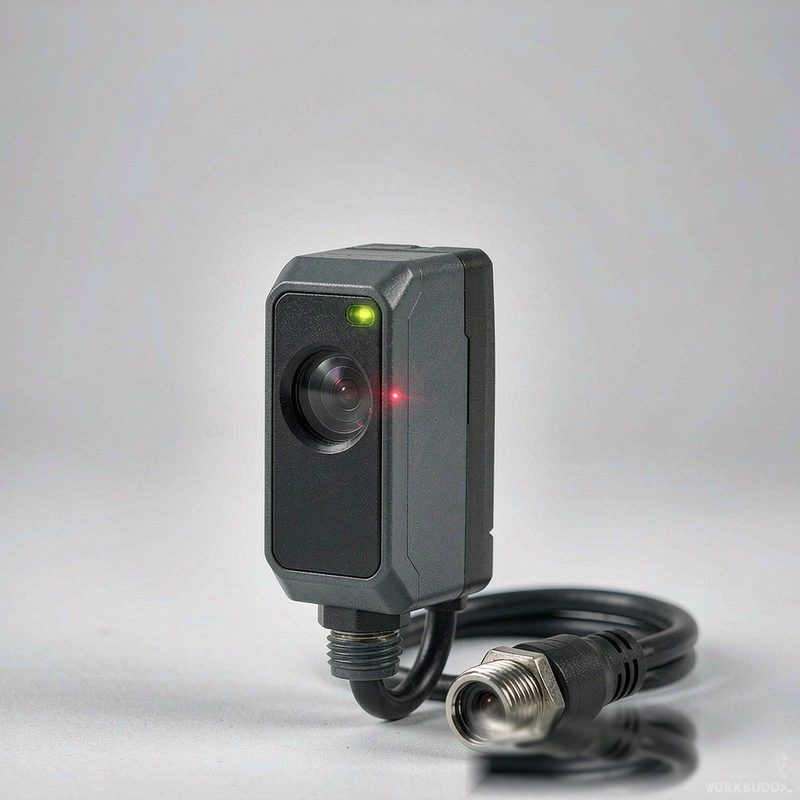 Generic Photoelectric Sensor Compatible with SICK W4S-3
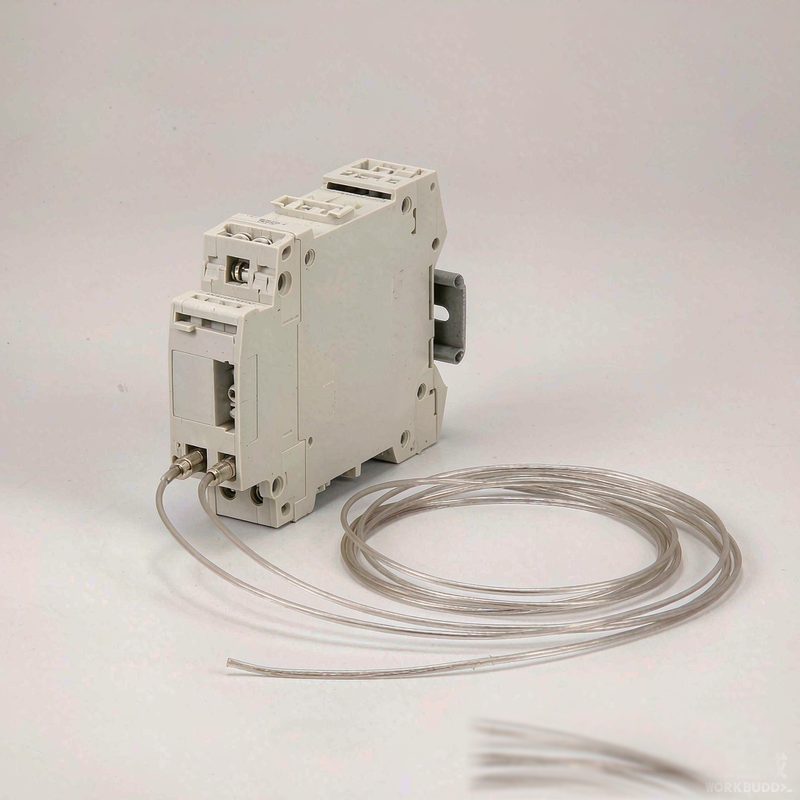 Generic Fiber Optic Amplifier Compatible with Keyence FS-N11
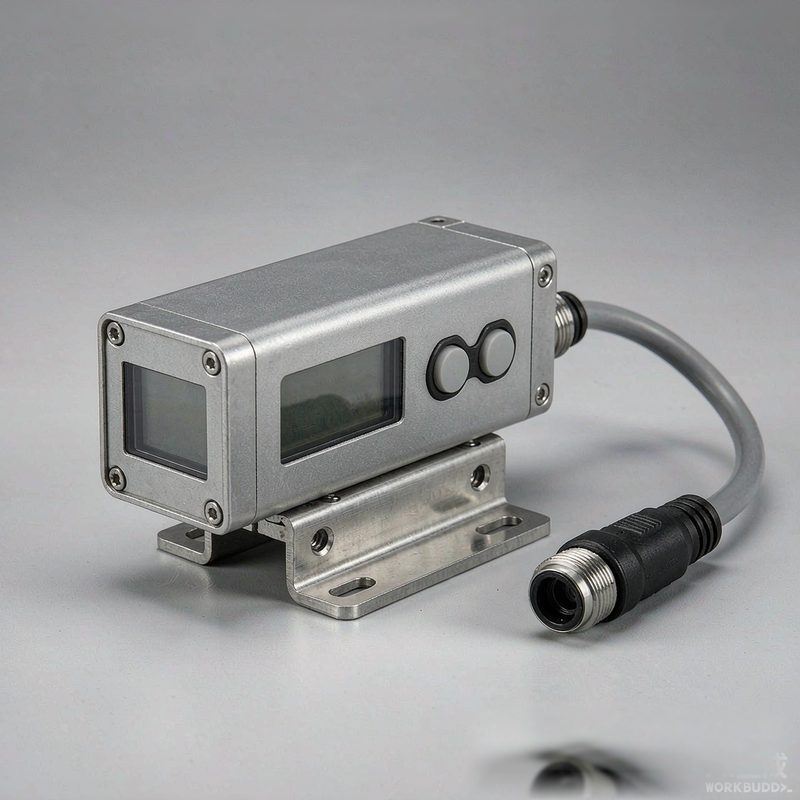 Generic Laser Distance Sensor Compatible with SICK DT35
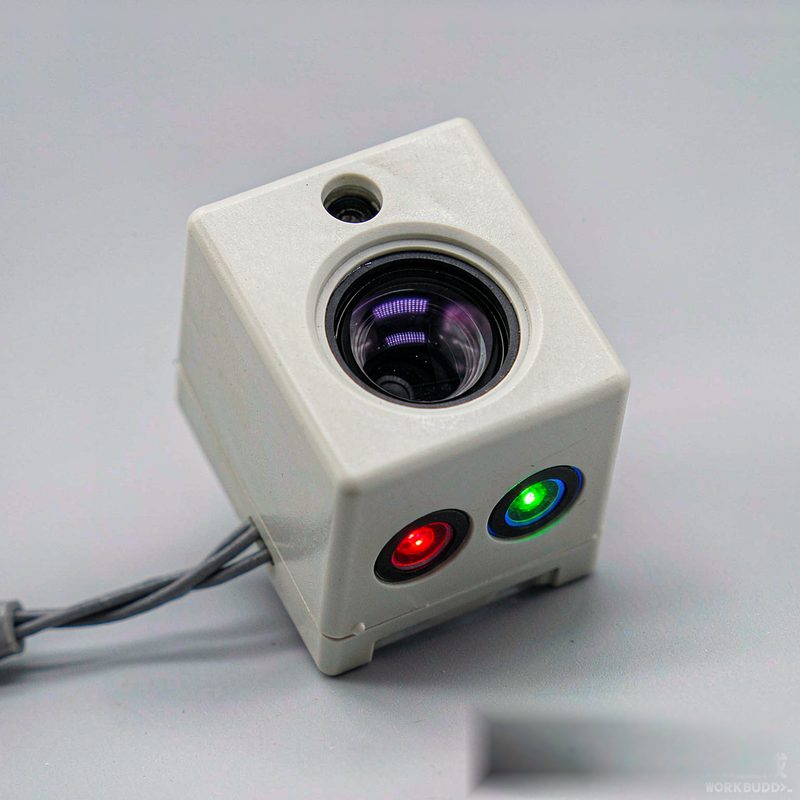 Generic Color Mark Sensor Compatible with SICK KT5
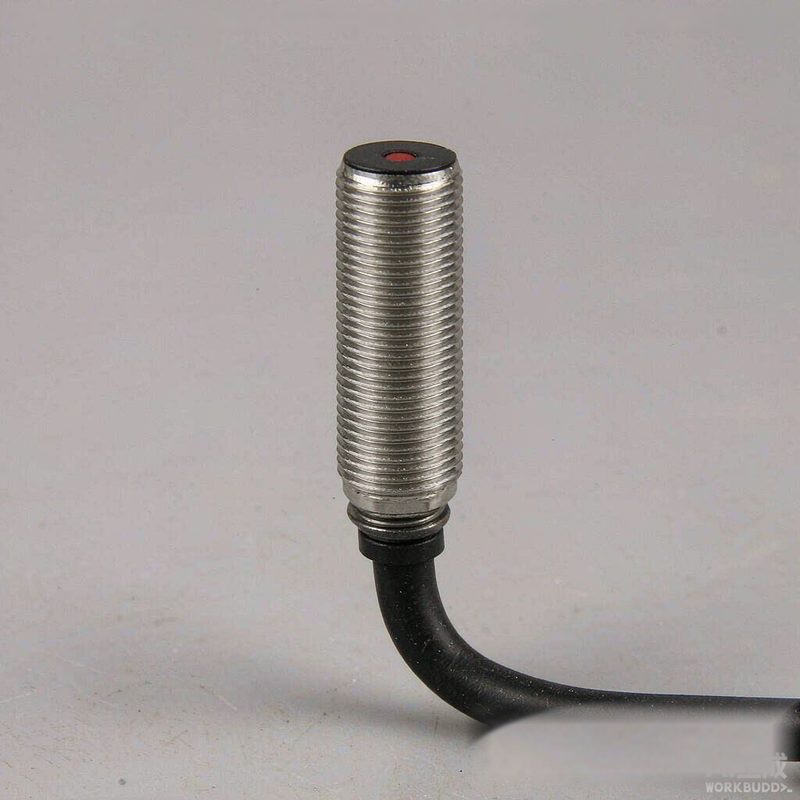 Generic Proximity Sensor Compatible with Omron E2E-X5ME
Every sensor ships tested, with connector and output options matched to your line. Unsure which family fits? Send a photo of the application and the old sensor's nameplate to sales@inverterplc.com or WhatsApp +86 157 0595 3332 — we will confirm a drop-in replacement within one working day.
Follow your PLC input card: NPN (sinking) sensors switch the 0 V line and are standard on most Japanese and Asian PLC inputs; PNP (sourcing) switches the +24 V line and is the European norm. Mismatch is the single most common wiring error in sensor replacement — check the existing sensor's cable colors or the input module spec before ordering.
Yes, significantly for diffuse-type sensors. Black or matte targets reflect far less light than white glossy ones — the rated range assumes a standard white test target, so expect derating of 50% or more for dark targets. For color-mark detection on packaging, use a dedicated color mark sensor with a focused RGB light source.
Only if it carries an IP67 or better rating and you manage sunlight interference: strong ambient light can swamp the receiver. For outdoor or direct-sun applications, choose models with modulated light and mount the sensor so the sun is not in its field of view.
