A variable frequency drive (VFD / inverter) is the workhorse of any plant — and one of the most commonly damaged components after power surges, humidity and heat. When your original drive fails or is discontinued, a compatible replacement is usually the fastest path back to production. Here is the checklist our engineers use to match replacement drives, so you can order with confidence the first time.
| Field | What to check | Why it matters |
|---|---|---|
| Rated power | kW or HP of the motor the drive feeds | Match or exceed; never undersize |
| Voltage class | 200-240 V (single/three-phase) vs 380-480 V three-phase | Wrong class = instant failure |
| Rated current | Output amps (A) | The real sizing criterion — compare amps, not just kW |
| Control interface | Terminal block vs RJ45/connector, analogue 0-10 V / 4-20 mA | Decides whether existing control wiring plugs straight in |
Drives are rated for different overload profiles: Light Duty (LD, ~110% for 60 s) for fans and pumps, Normal Duty (ND, ~120-150%) for conveyors and compressors, Heavy Duty (HD, ~150-200%) for crushers, presses and hoists. A replacement rated LD will trip constantly on a compressor. Match the duty class of the old drive, not just its power.
Before retiring the old drive, photograph and record: V/f or vector mode, acceleration/deceleration times, minimum/maximum frequency, PID settings, and any multi-speed or jog presets. Loading these into the replacement takes minutes if documented — and hours if not.
We stock compatible replacement drives for the mainstream Japanese, European and Chinese platforms, all tested and tropicalized before dispatch:
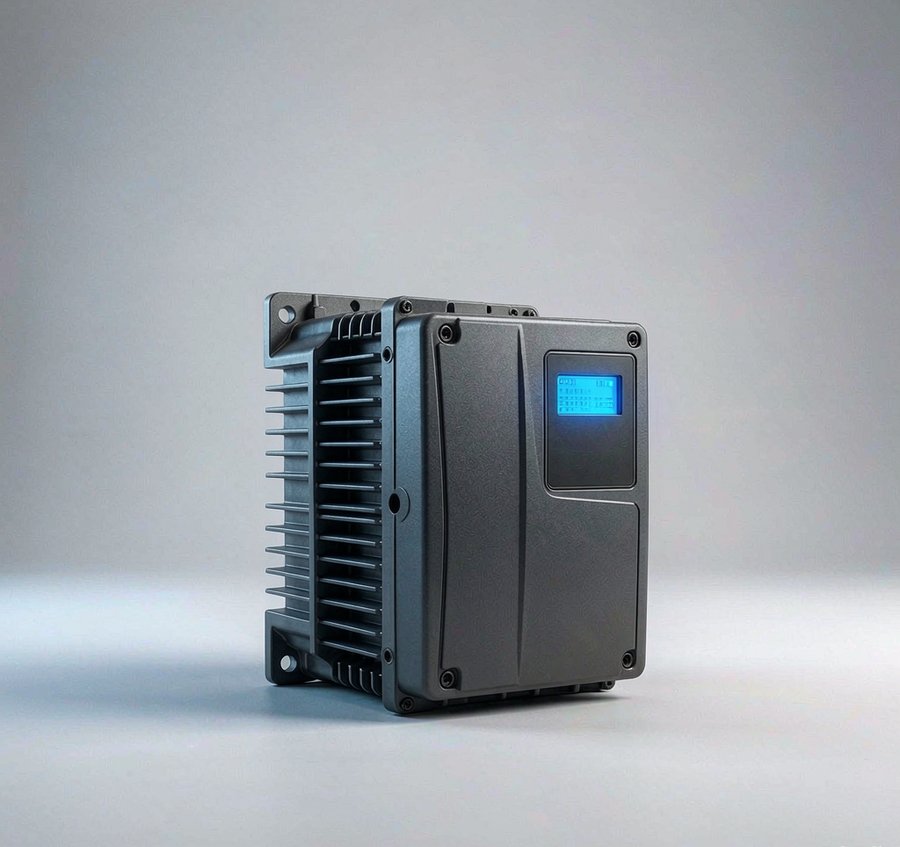 Generic VFD Compatible with Mitsubishi FR-E740 / FR-A840
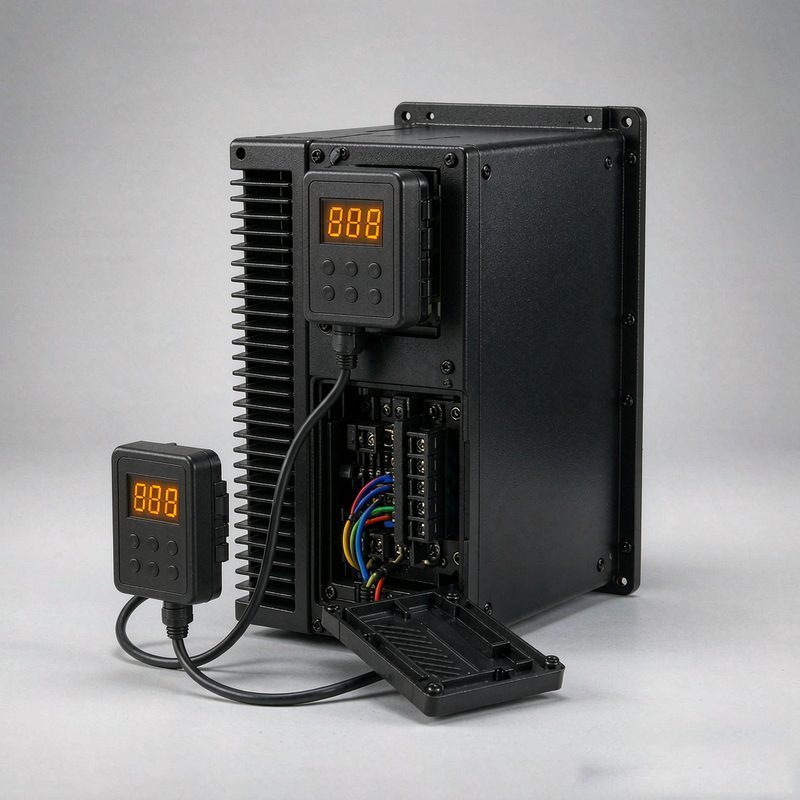 Generic VFD Compatible with Delta VFD-EL / C2000
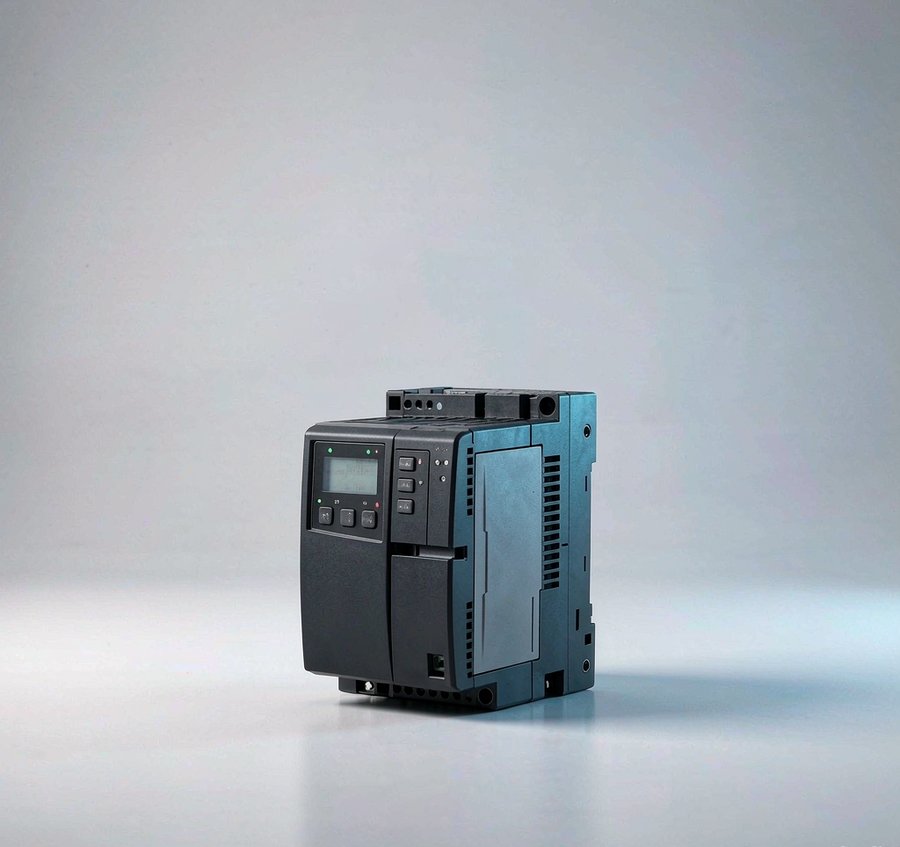 Generic VFD Compatible with Siemens 6SL3210 (G120)
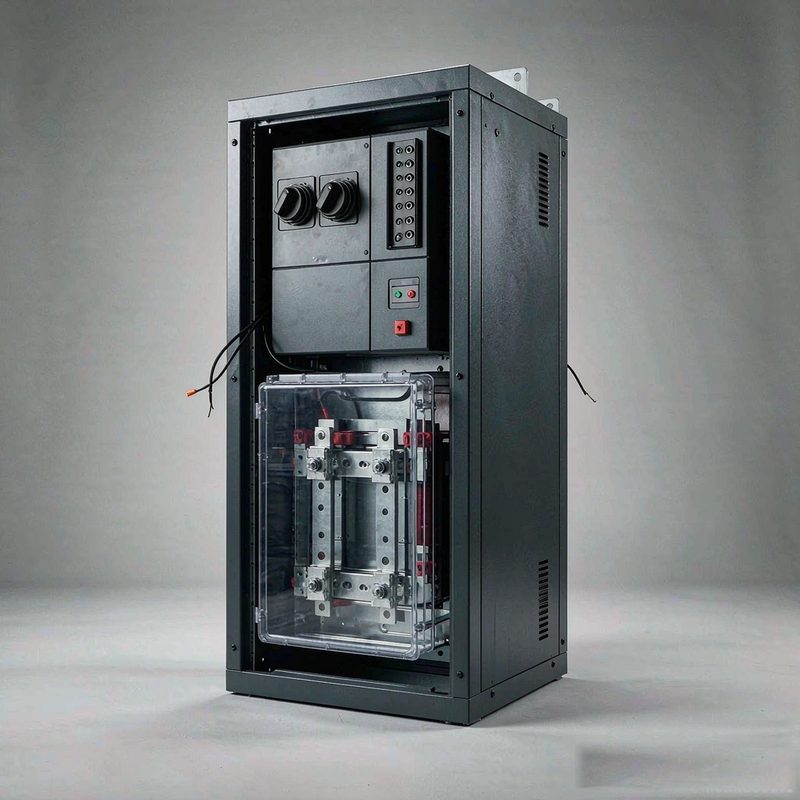 Generic VFD Compatible with Yaskawa CIMR-V / CIMR-A (V1000 / A1000)
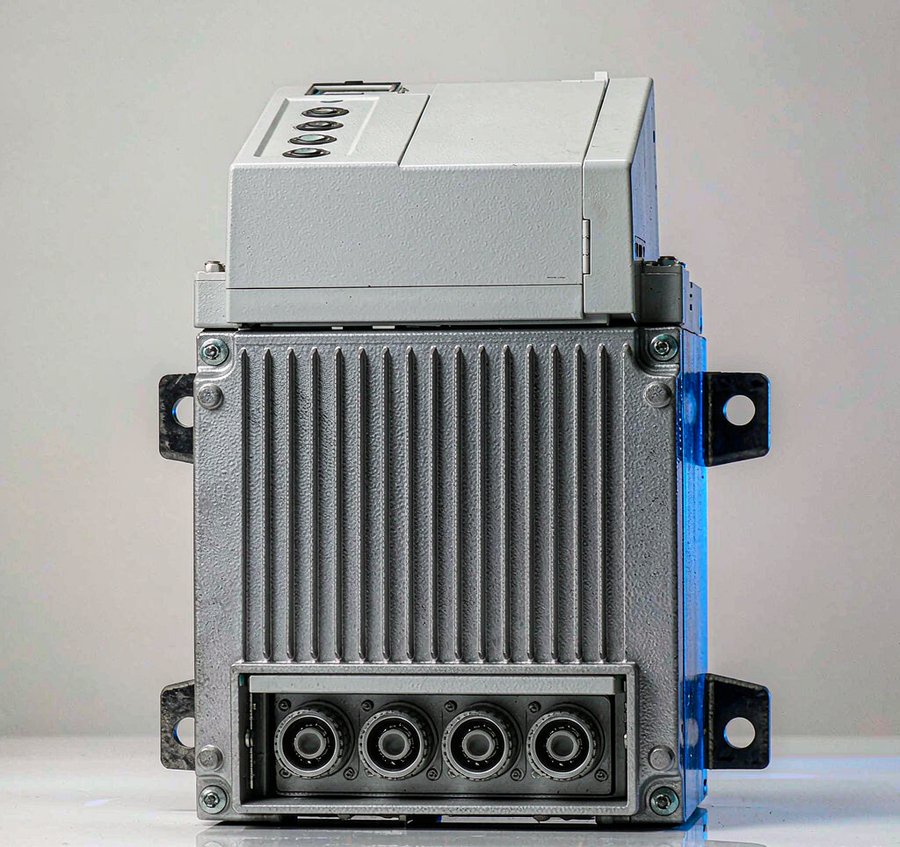 Generic VFD Compatible with Schneider ATV310 / ATV630
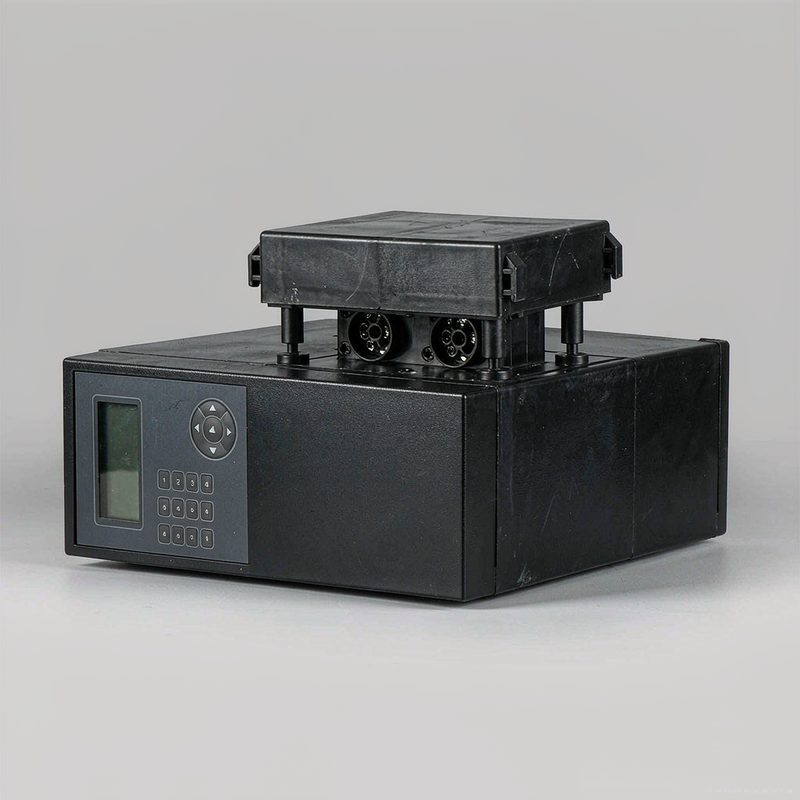 Generic VFD Compatible with INVT GD100 / GD350
Send us a photo of your failed drive's nameplate — we confirm the matching replacement, stock status and dispatch date within one working day. Email sales@inverterplc.com or WhatsApp +86 157 0595 3332.
Our drives are designed with universal 50/60 Hz input, so the same unit works on both grid standards. This matters when equipment is exported between Asia (50 Hz), the Americas (60 Hz) and ships or mobile plants. Always confirm the voltage class separately — frequency and voltage are independent settings.
If your application decelerates a high-inertia load quickly (fans stopping fast, centrifuges, hoists), the drive needs somewhere to put regenerated energy. Without a braking resistor you will see over-voltage (OV) alarms during deceleration. We can advise based on your motor size and duty cycle.
Yes — that is the standard migration path. Record the V/f curve or vector settings, acceleration/deceleration times, PID targets and multi-speed presets from the old drive, then load them into the replacement. For mainstream platforms (Mitsubishi FR series, Delta C2000, Siemens G120, Yaskawa V1000) we provide a parameter mapping reference with each shipment.
