
Photoelectric & Fiber Optic Sensors
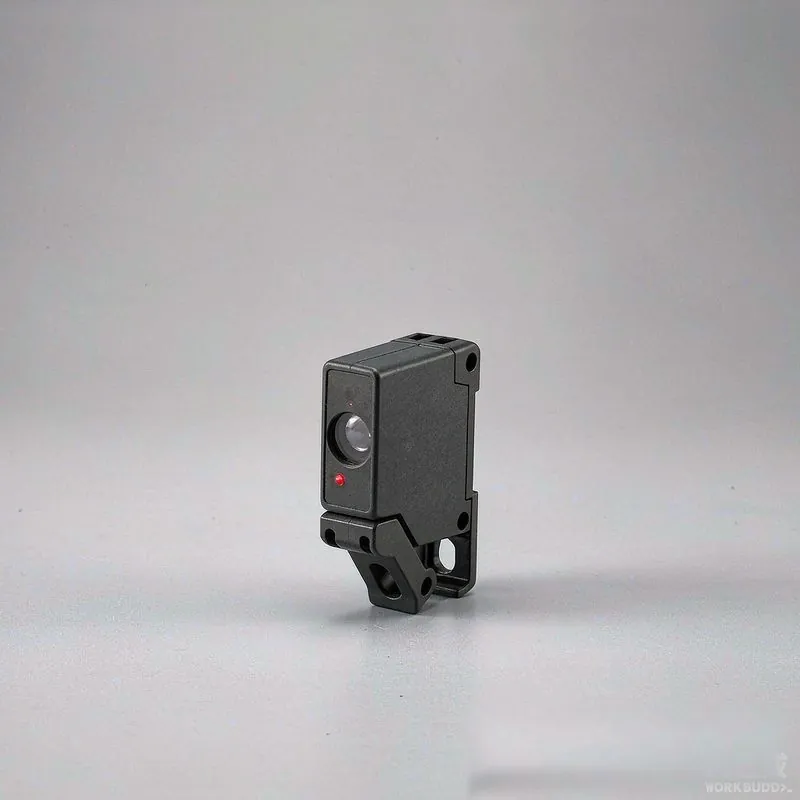 Compatible
Generic Photoelectric Sensor Compatible with Omron E3Z-D62
E3Z Series
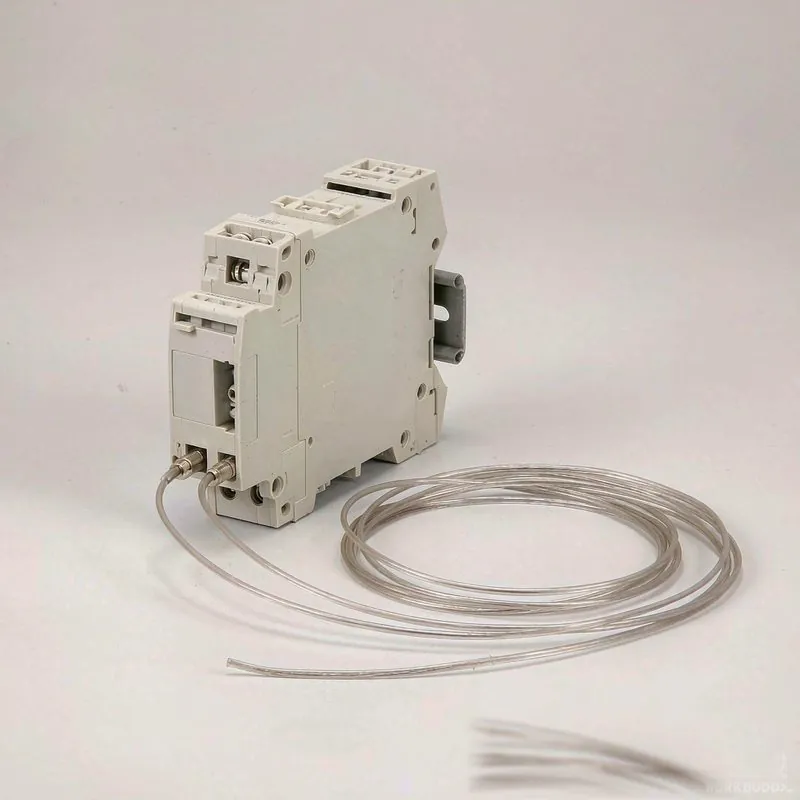 Compatible
Generic Fiber Optic Amplifier Compatible with Keyence FS-N11 / FS-N11N
FS-N11 Series
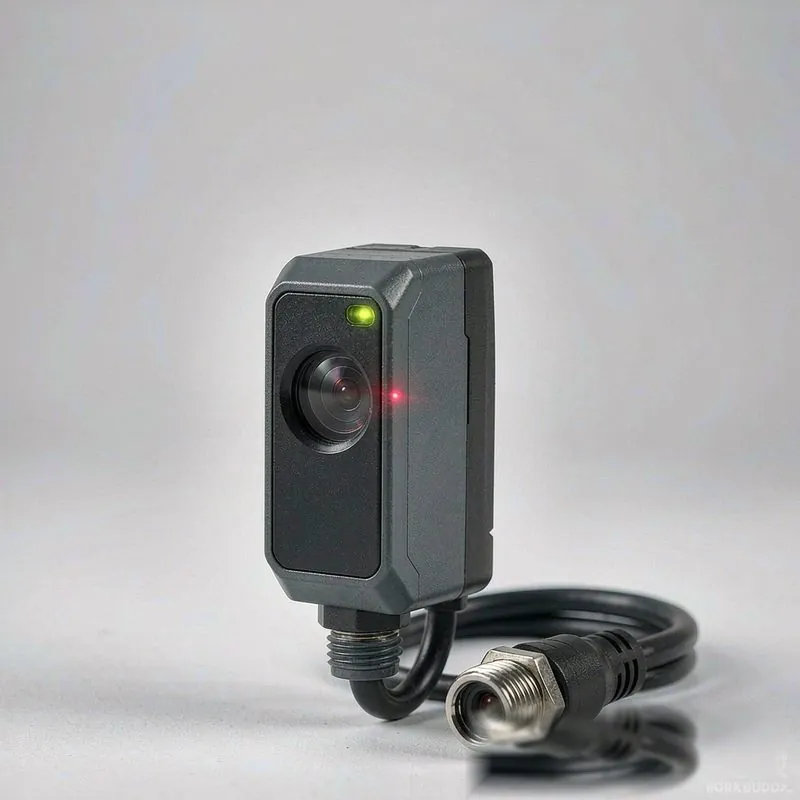 Compatible
Generic Photoelectric Sensor Compatible with SICK W4S-3
W Series Photoelectric
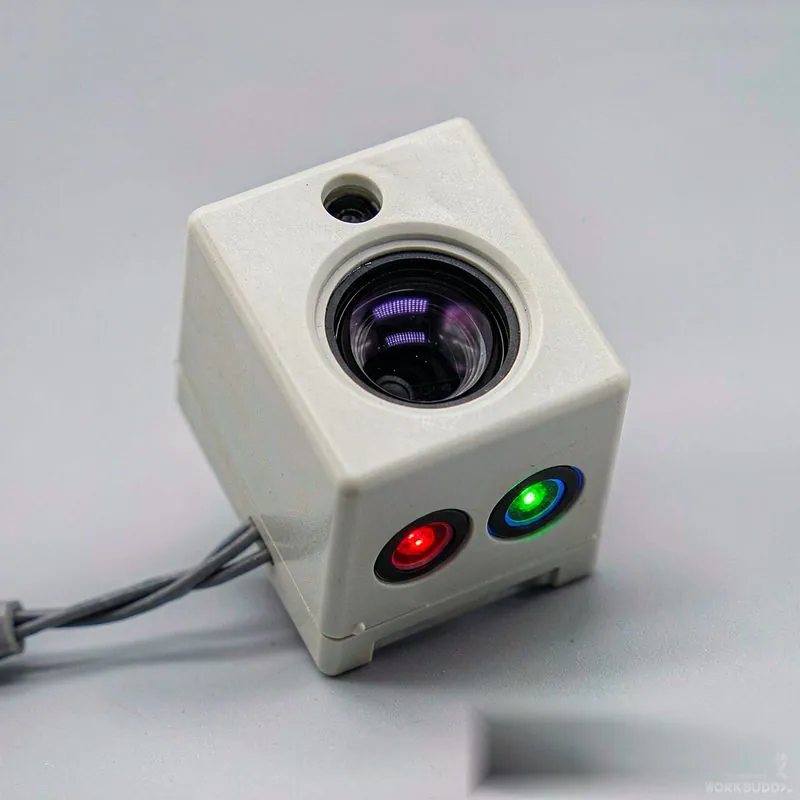 Compatible
Generic Color Mark Sensor Compatible with SICK KT5
KT Contrast Series
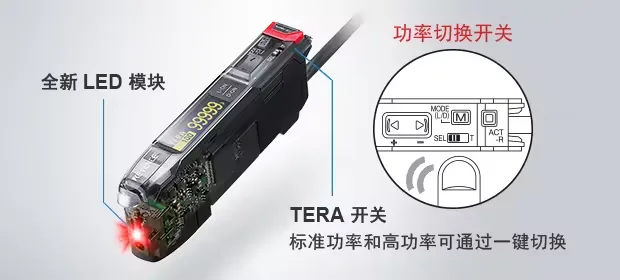 Original
Keyence FS-N41N Fiber Optic Amplifier - NPN Main Unit
FS-N40 Series
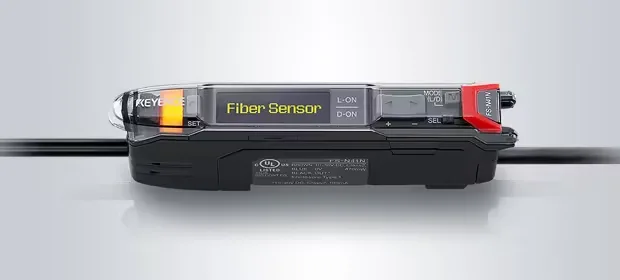 Original
Keyence FS-N11N Fiber Optic Amplifier
FS-N Series
 Original
Keyence FS-N12N Fiber Optic Amplifier
FS-N Series
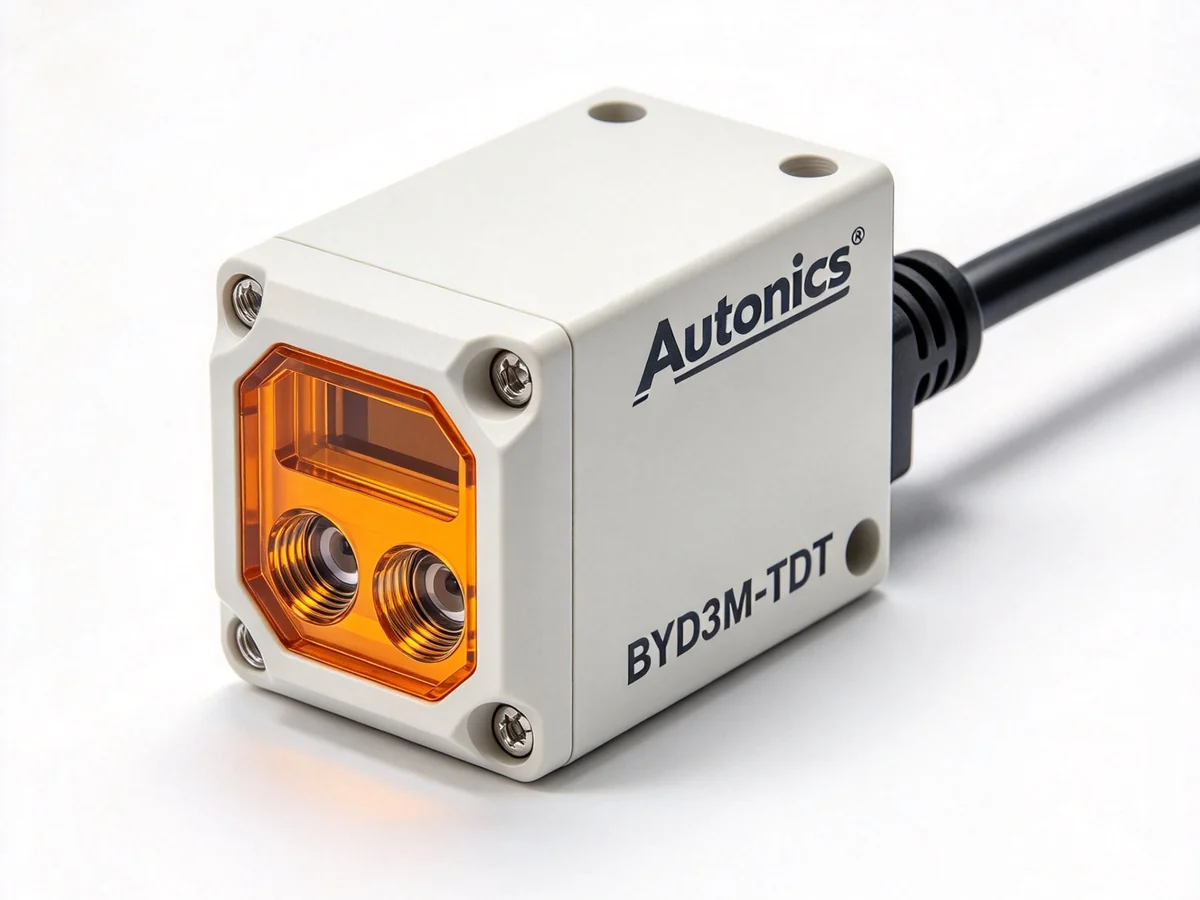 Original
Autonics BYD3M-TDT Through-beam Photoelectric Sensor
BYD Compact Photoelectric Series
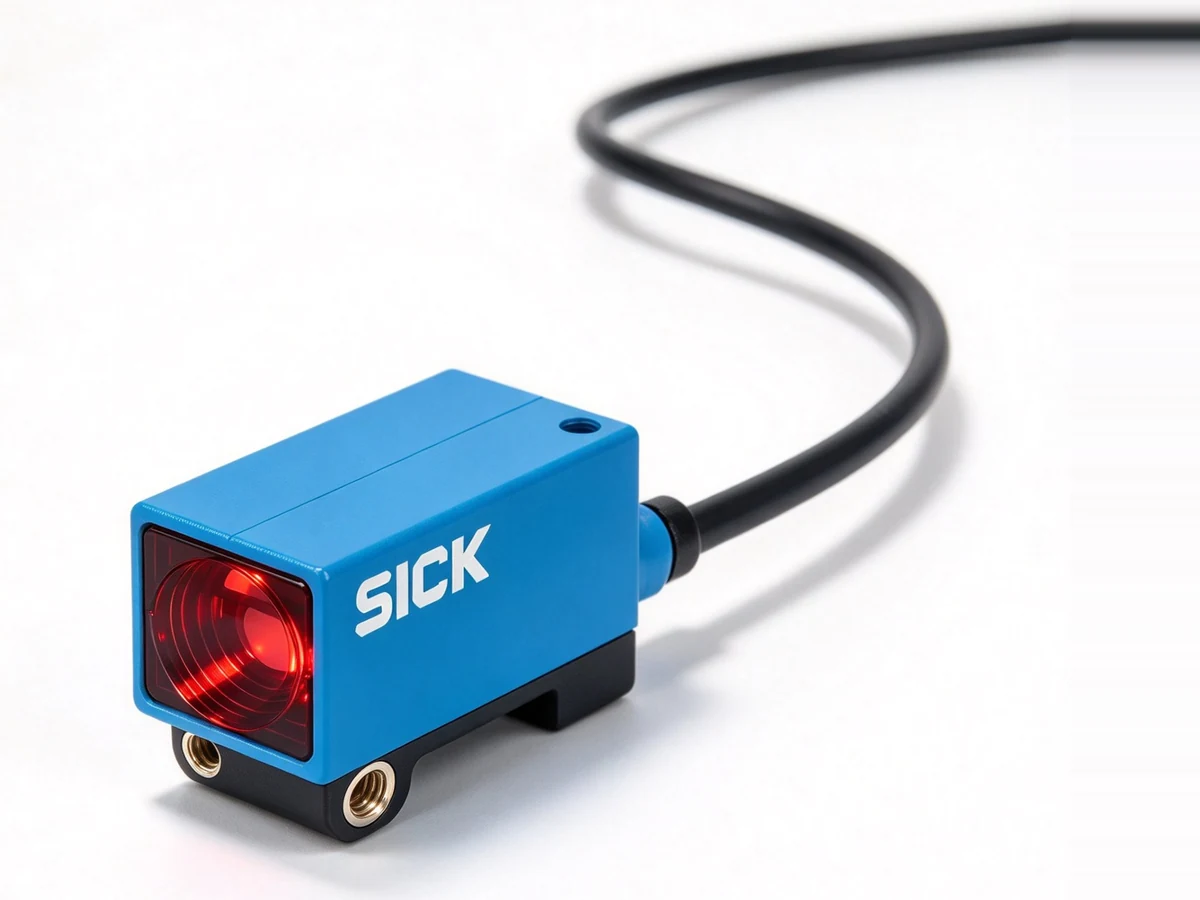 Original
SICK WT2S-2P130 Miniature Photoelectric Sensor
W2S-2 Miniature Photoelectric Series
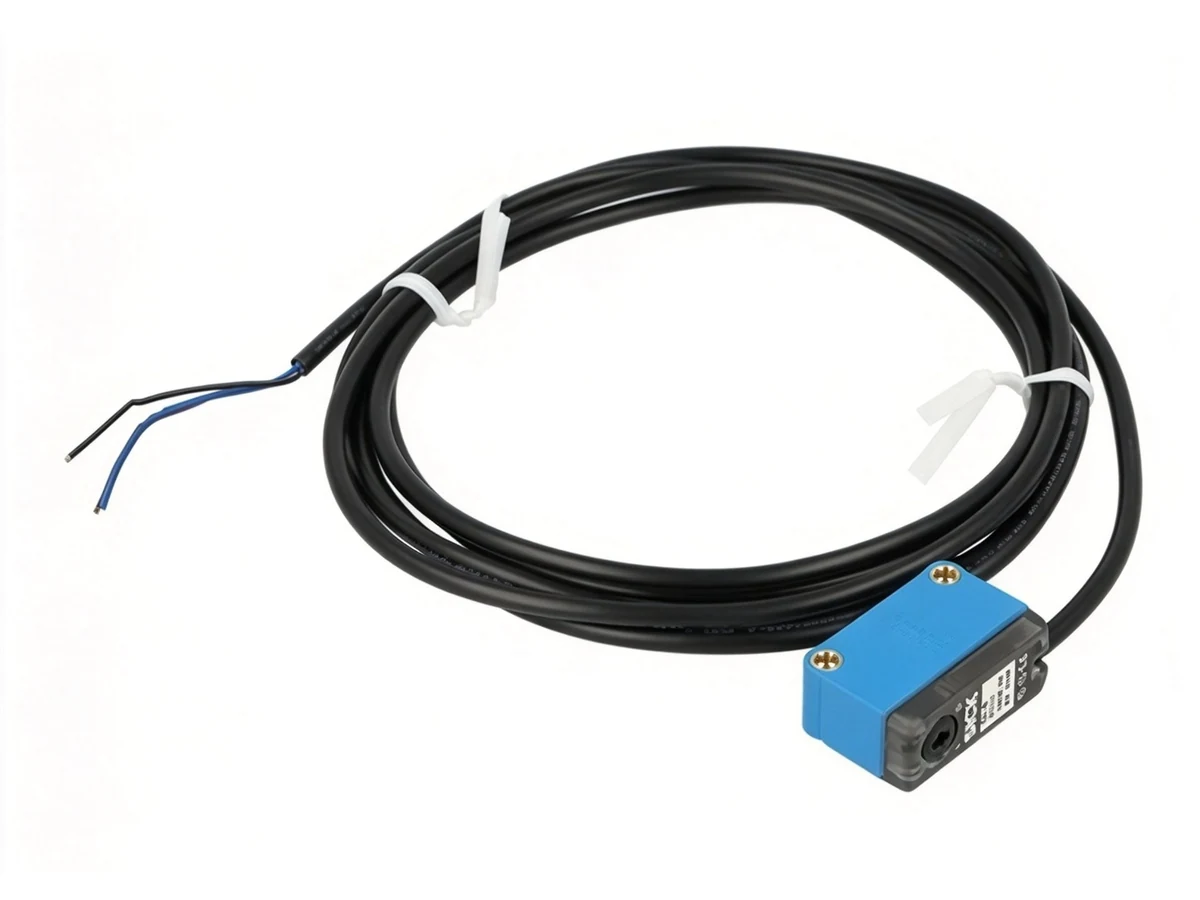 Original
SICK GL6-P1111 Retro-reflective Photoelectric Sensor
GL6 Retro-reflective Photoelectric Series
Inductive & Magnetic Proximity Sensors
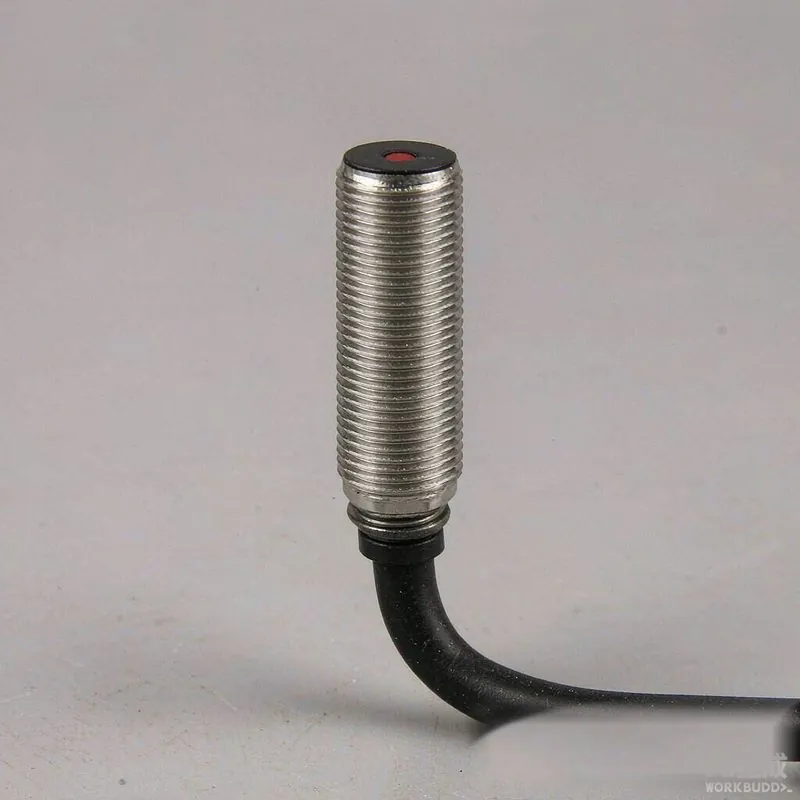 Compatible
Generic Proximity Sensor Compatible with Omron E2E-X5ME
E2E Series
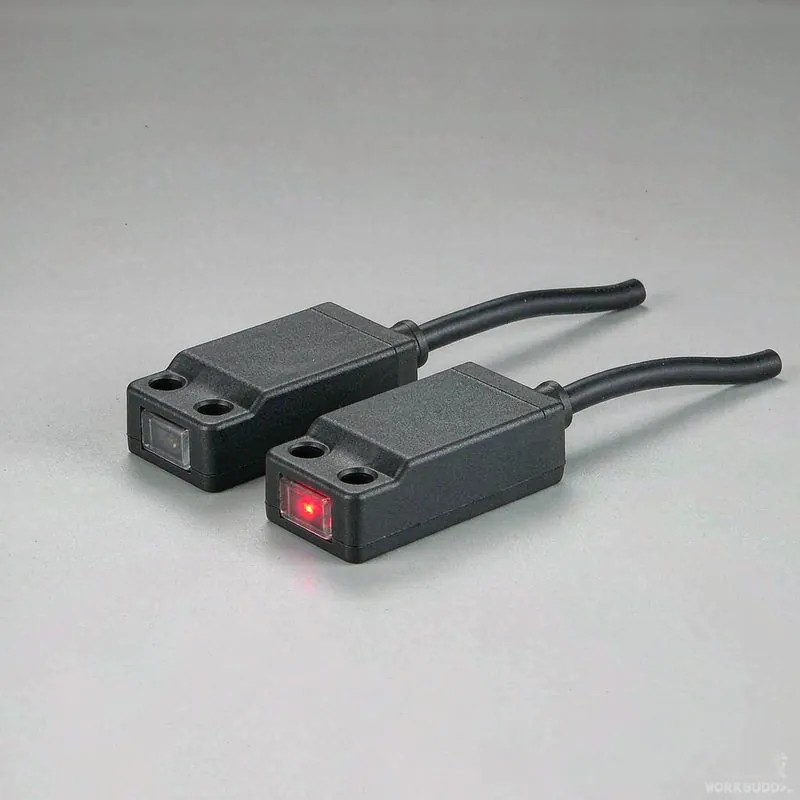 Compatible
Generic Magnetic Cylinder Sensor Compatible with Schneider OsiSense XT
OsiSense Series
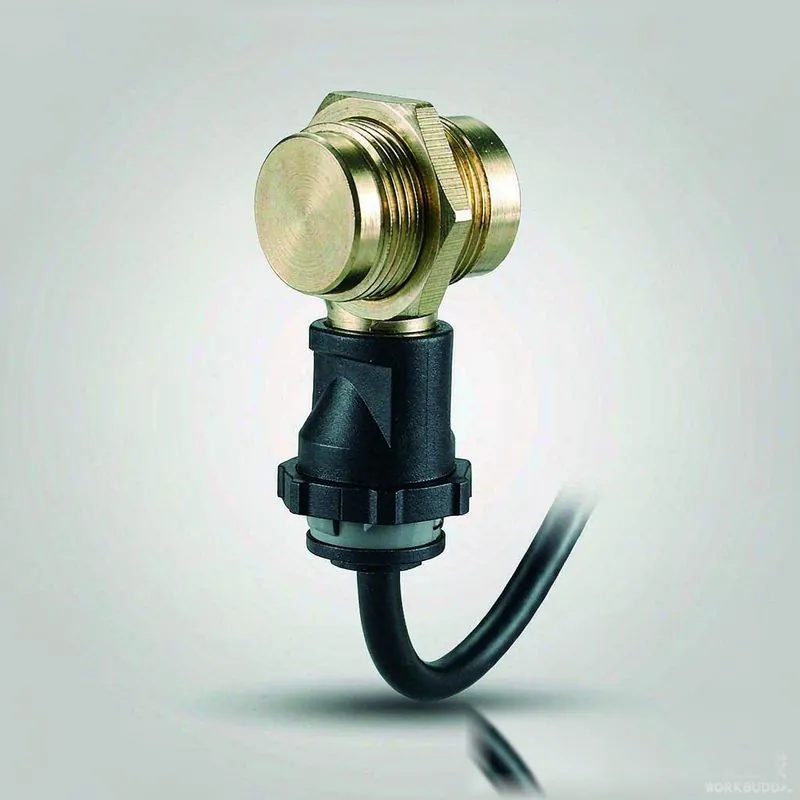 Compatible
Generic Inductive Proximity Sensor Compatible with SICK IME12-08
IME Proximity Series
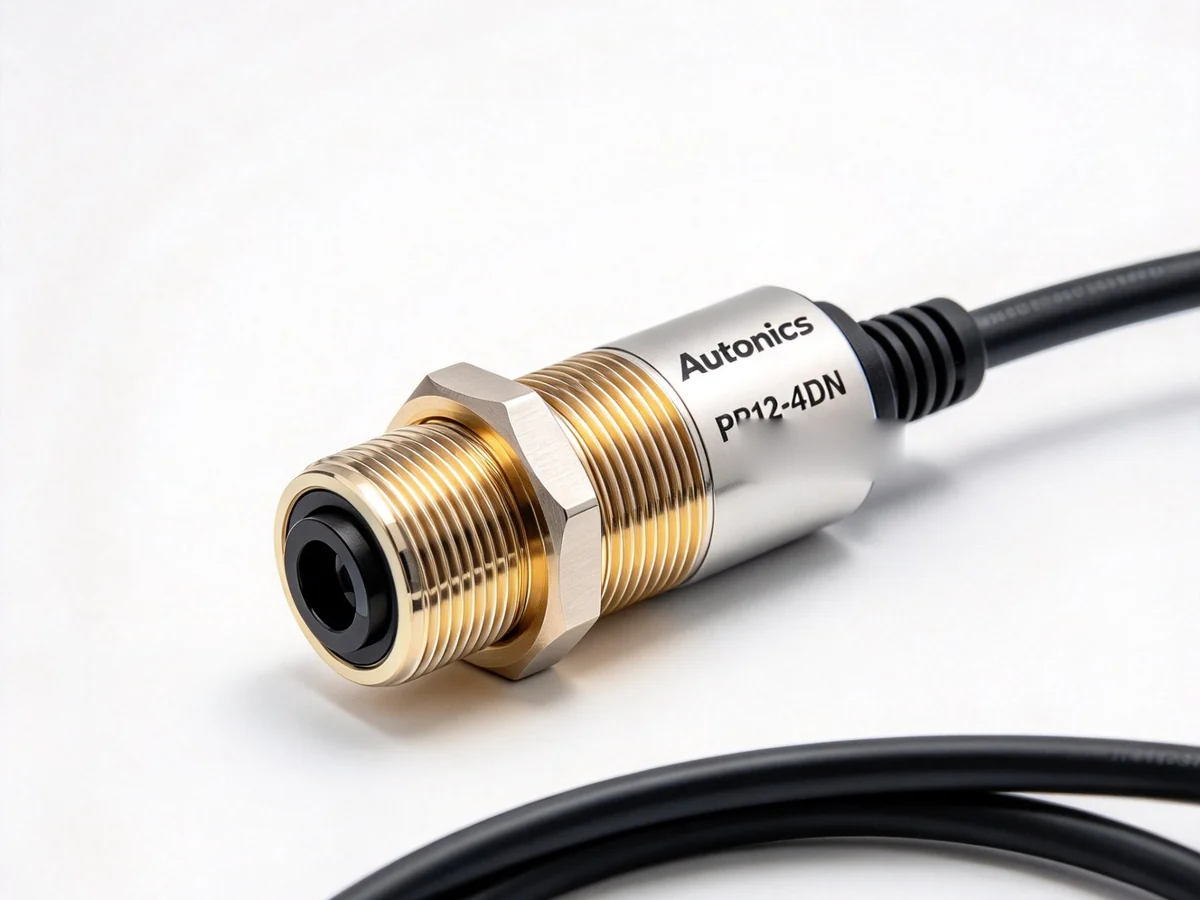 Original
Autonics PR12-4DN Inductive Proximity Sensor
PR Cylindrical Proximity Series
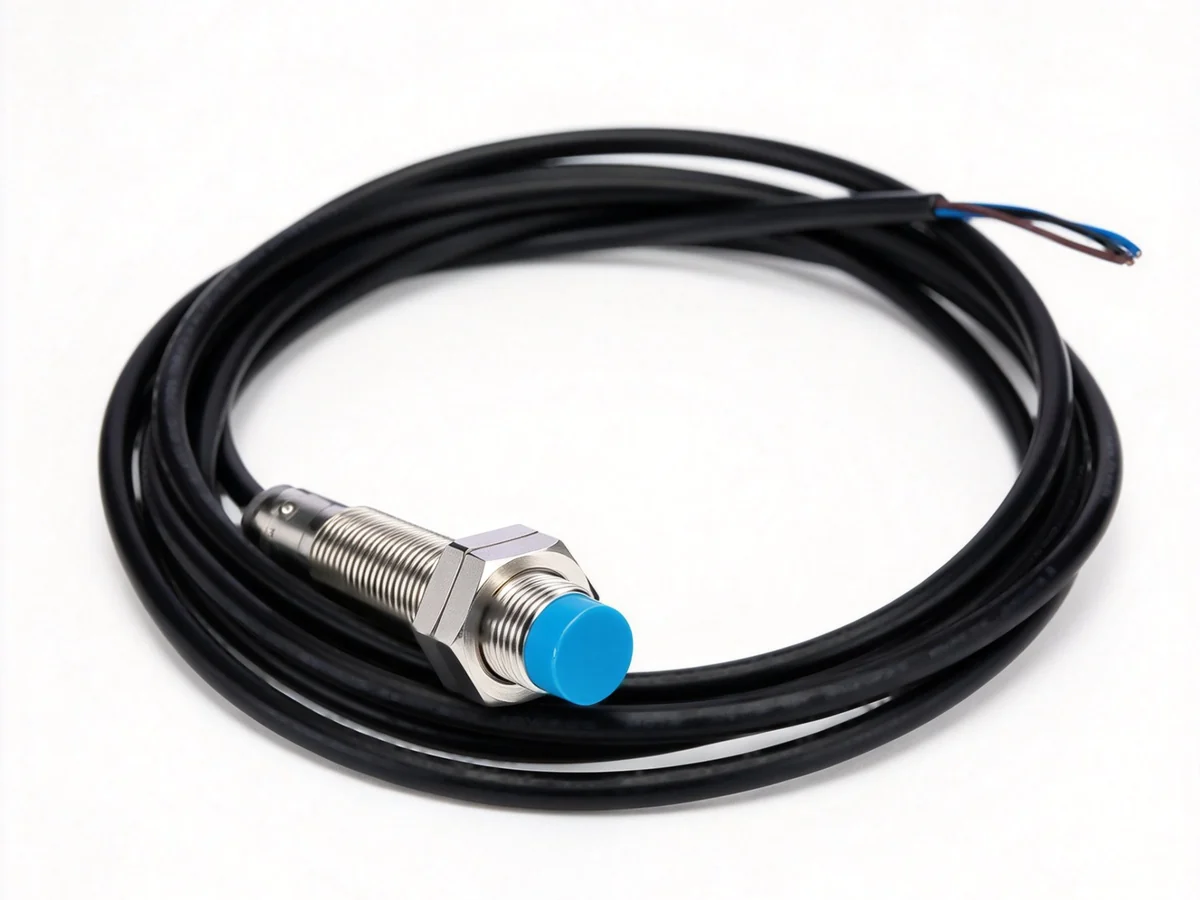 Original
SICK IME12-08NPSZW2S Inductive Proximity Sensor
IME12 Inductive Proximity Series
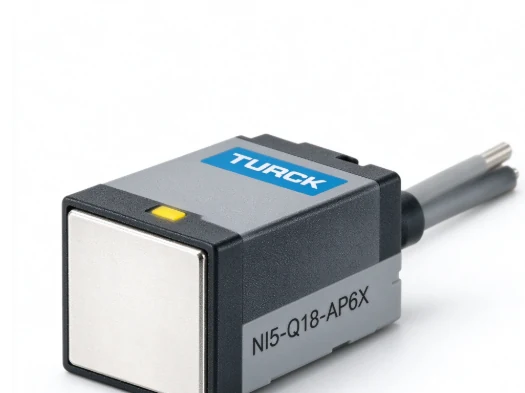 Original
Turck NI5-Q18-AP6X Inductive Proximity Sensor
NI5-Q18 Series
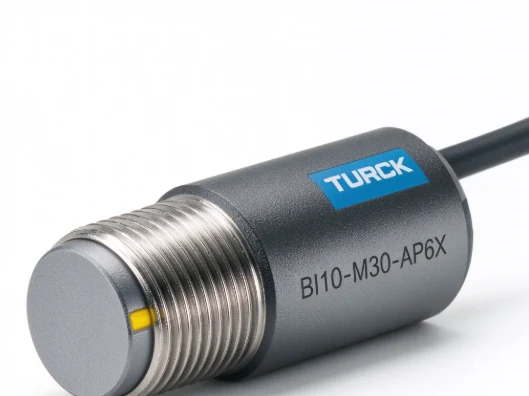 Original
Turck BI10-M30-AP6X Inductive Proximity Sensor
BI10-M30 Series
Laser Distance & Displacement Sensors
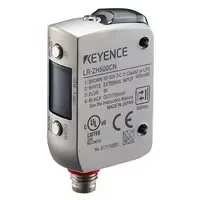 Original
Keyence LR-ZH500CP CMOS Laser Sensor
LR-ZH Series
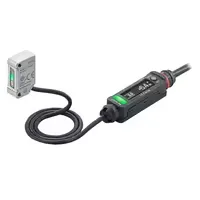 Original
Keyence LR-X100 CMOS Laser Sensor
LR-X Series
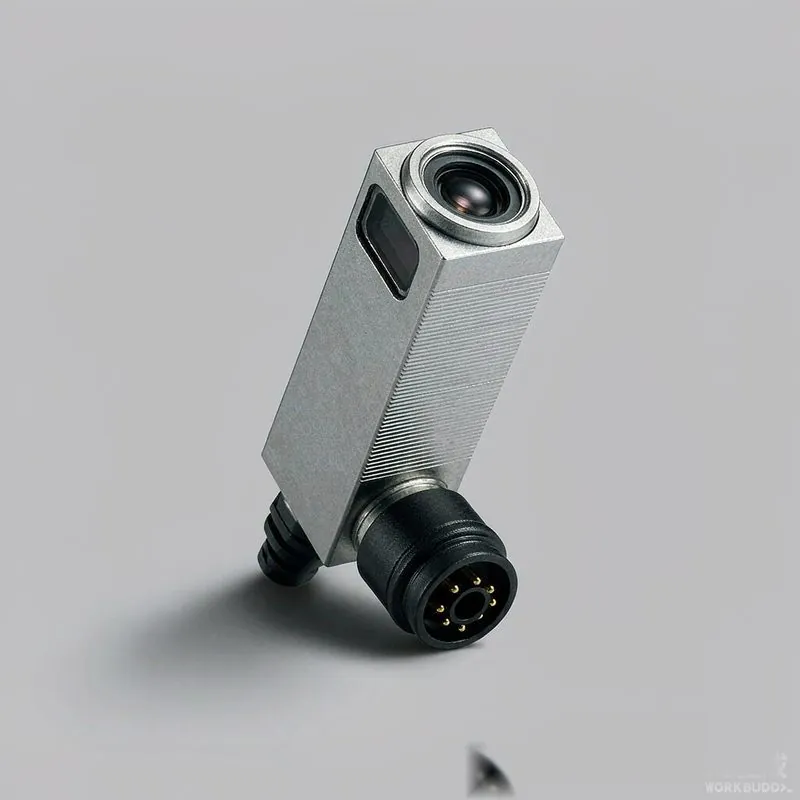 Compatible
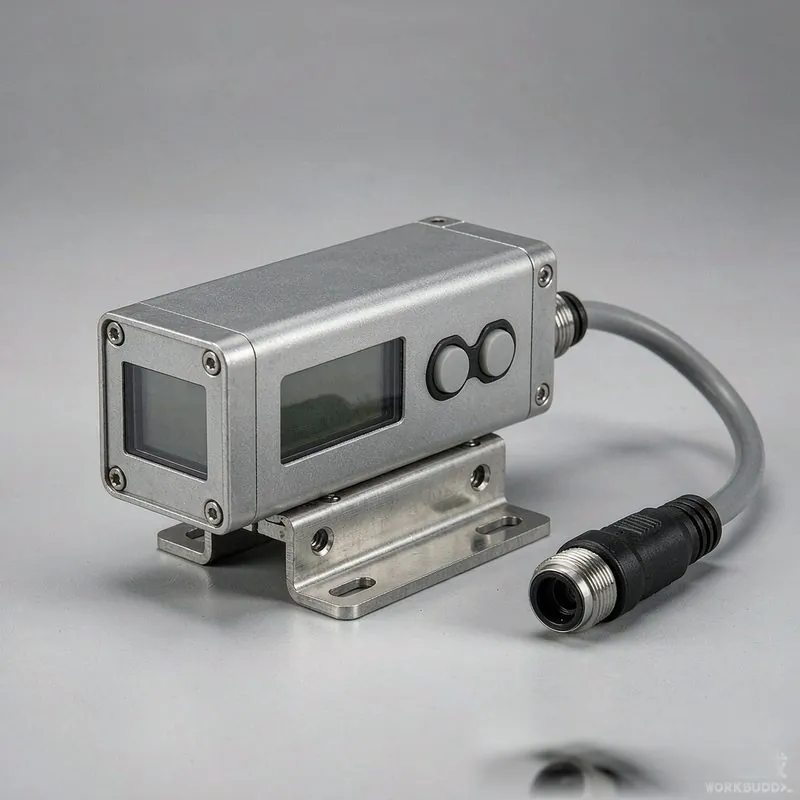
Generic Laser Displacement Sensor Compatible with Keyence IL-100
IL Laser Series
 Compatible
Generic Laser Distance Sensor Compatible with SICK DT35
DT/DX Laser Series
 Original
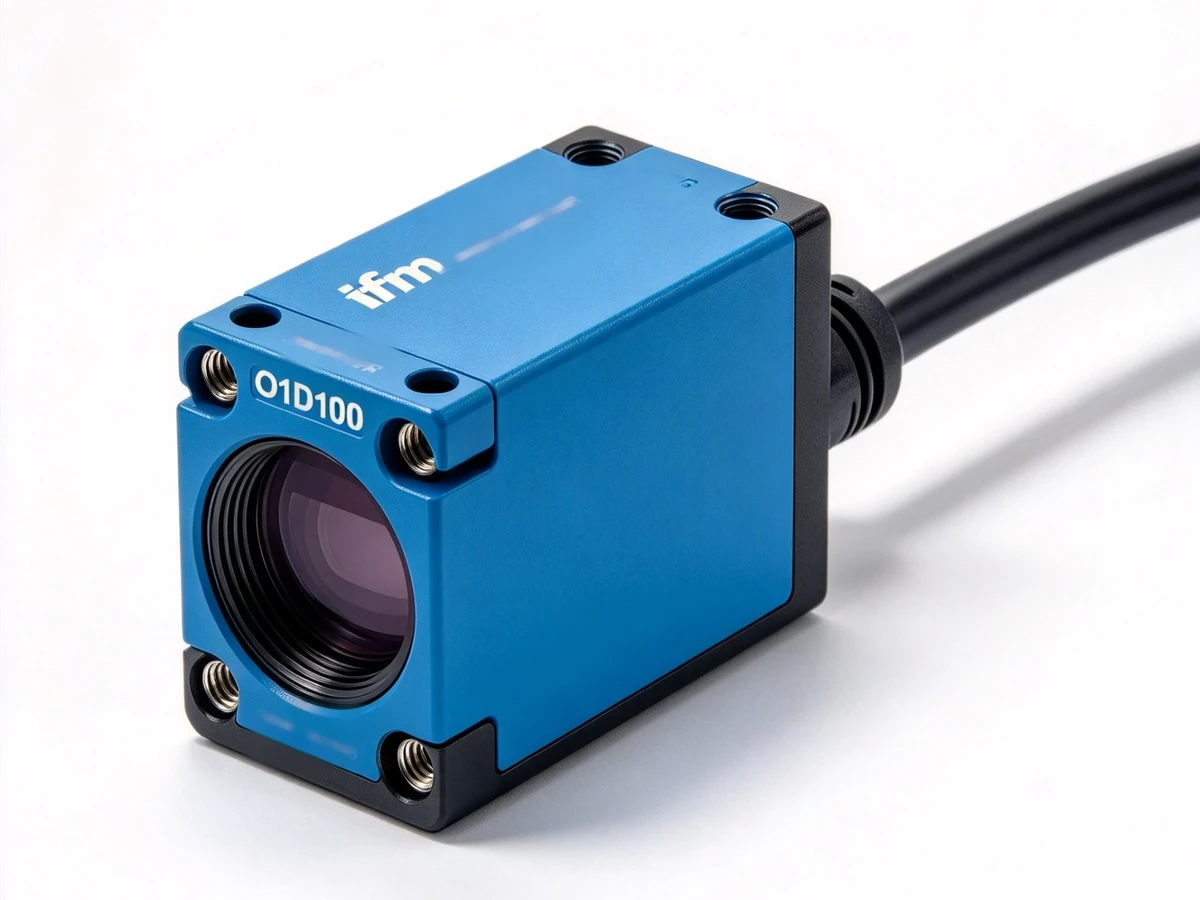
IFM O1D100 Laser Distance Sensor
O1D Laser Distance Series
Ultrasonic Sensors
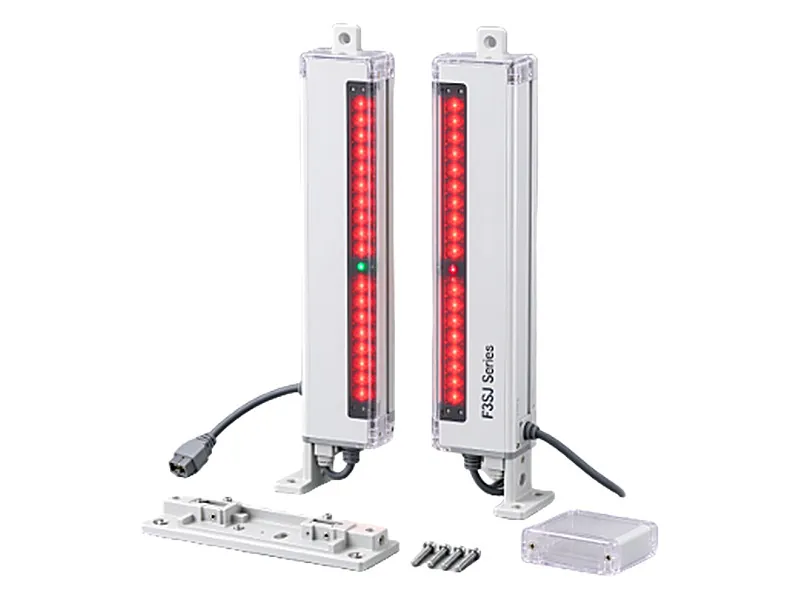
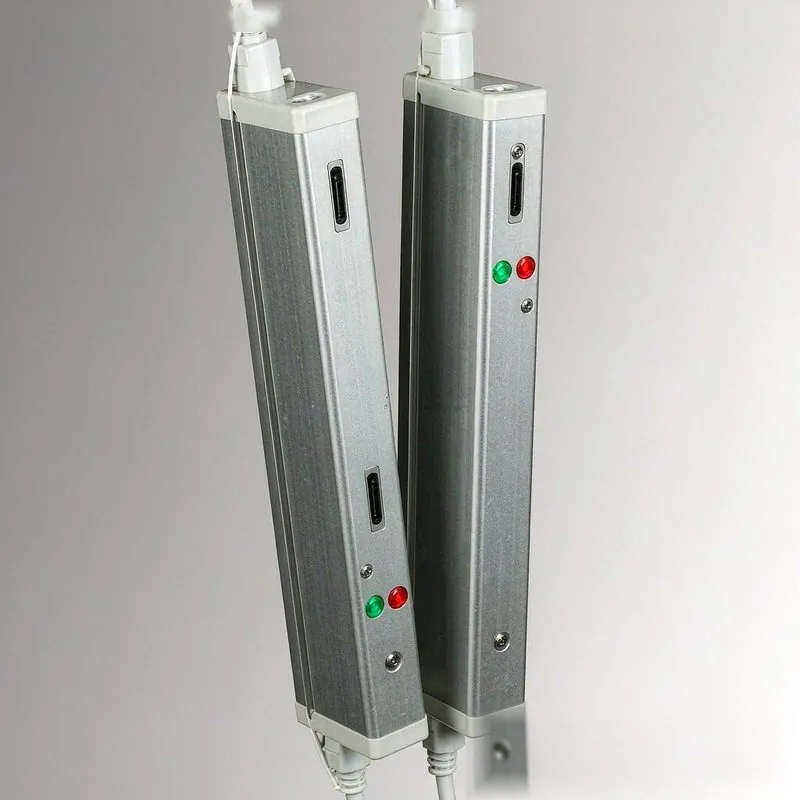
Safety Light Curtains
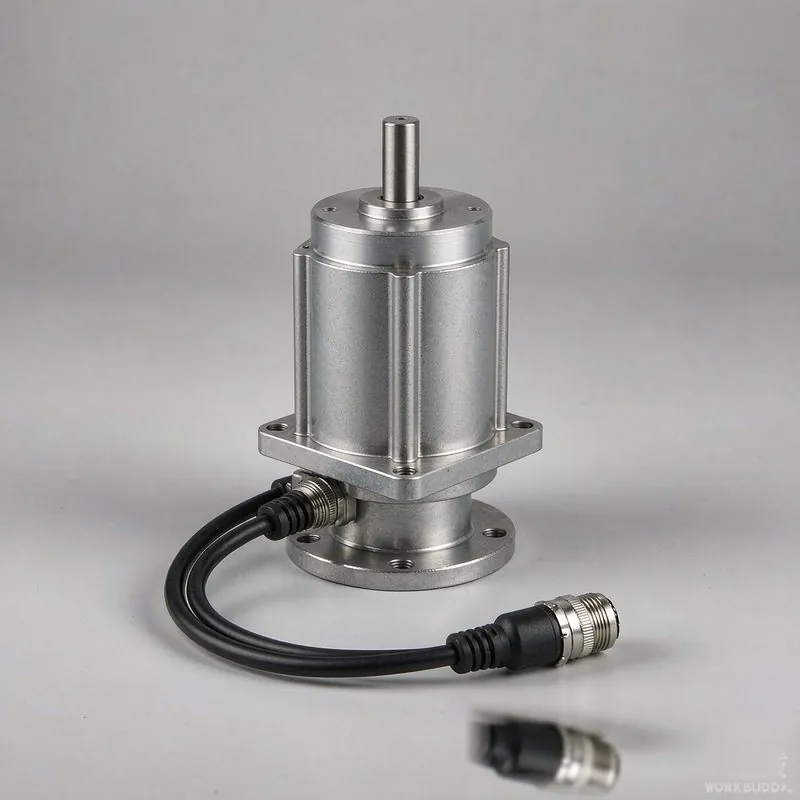
Rotary Encoders
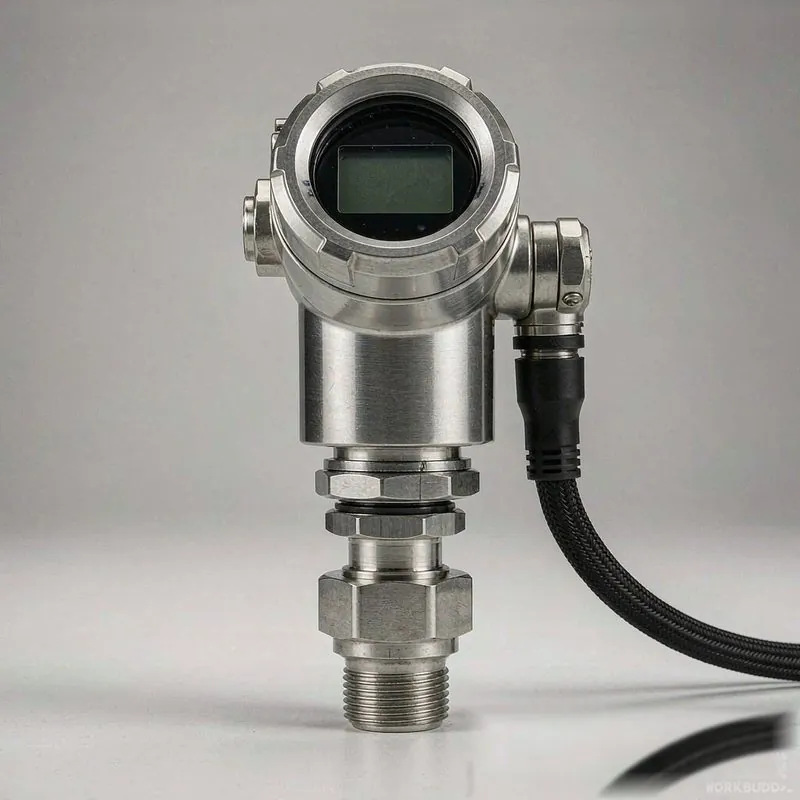
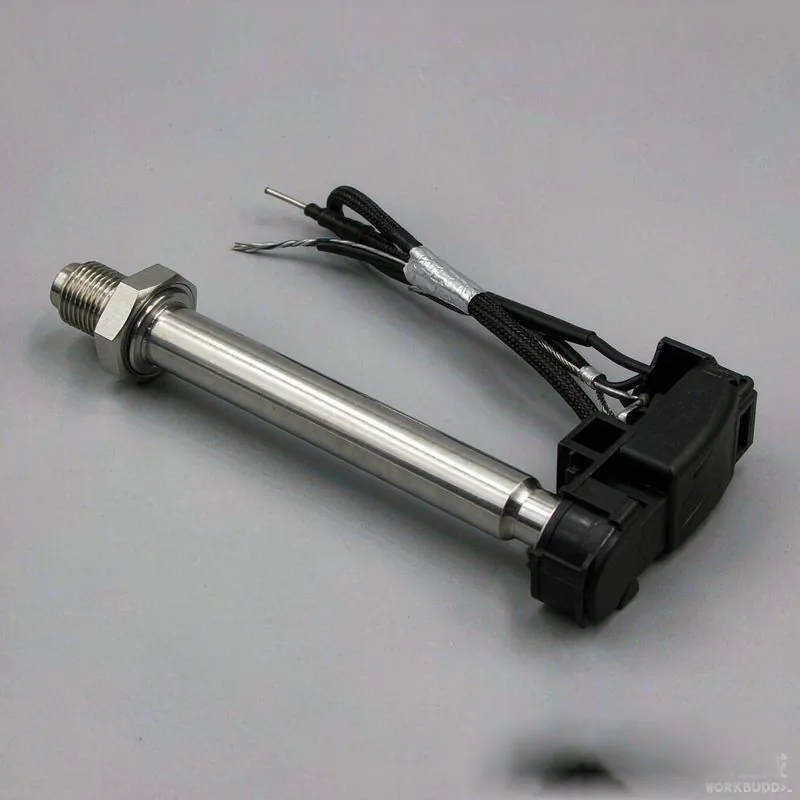
Temperature & Pressure Sensors
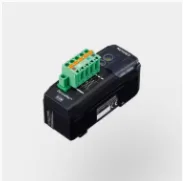
Related Network Units
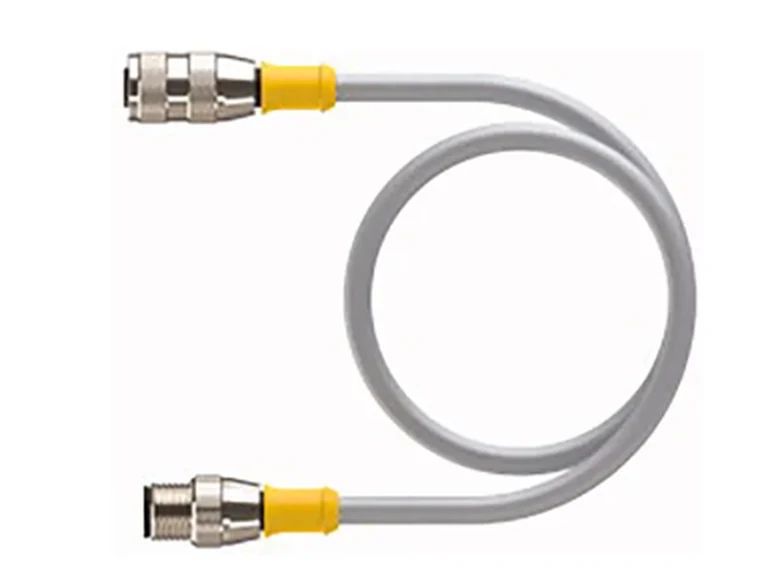
Related Cordsets
How to pick the right sensor family
Photoelectric covers through-beam, retro-reflective and diffuse types, plus fiber optic amplifiers where the sensing head has to fit into a small space. Choose through-beam for the longest range and the most reliable detection, retro-reflective when you only want to wire one unit, and diffuse when mounting a reflector is impractical but the target color is consistent.
Inductive proximity sensors only see metal, typically within a few millimetres, but they are sealed against dust, oil and coolant and switch at high frequency — the standard choice for end-of-stroke detection on cylinders and for metal part counting. Shielded types can be flush-mounted in metal; unshielded types give a longer range but need a clear zone around the sensing face.
Laser distance and displacement sensors measure position, height or thickness rather than simple presence, and are specified by range, repeatability and output type (analog, switching or both). Ultrasonic sensors handle clear, glossy or transparent targets and level measurement. Safety light curtains are a separate category: they need the correct resolution, protected height, response time and OSSD output to match the risk assessment of the machine.
Sensor selection questions
Photoelectric or inductive — which one do I need?
Inductive sensors only detect metal and only at short range, but they survive dust, oil mist and coolant, so they are the default for end-of-stroke and metal part detection. Photoelectric sensors detect almost any material at longer range and can distinguish transparent, colored or reflective targets, but the lens needs a clean line of sight. If the target is metal and within a few millimeters, use inductive; if it is plastic, glass, liquid, or further away, use photoelectric.
What is the difference between through-beam, retro-reflective and diffuse photoelectric sensors?
Through-beam uses a separate emitter and receiver facing each other: longest range and most reliable, but two units must be wired. Retro-reflective bounces the beam off a reflector, so only one unit is wired and alignment is easier. Diffuse-reflective senses light returned from the target itself: simplest to mount, but sensing distance depends on target color and surface finish.
NPN or PNP output — how do I choose?
Match the input card on your PLC or controller. NPN (sinking) pulls the signal line to 0 V and is common on Japanese and Asian machinery; PNP (sourcing) switches the signal line to +24 V and is common on European machines. The two are not interchangeable without a relay or a different input module, so confirm the output type before ordering — we confirm it at quotation for every sensor.
Are these sensors original parts or compatible replacements?
Both are listed, and every card carries an Original or Compatible badge. Keyence, SICK, Turck, Autonics and IFM items marked Original are genuine parts sourced to order by InverterPLC as an independent seller — we are not an authorised distributor and the 12-month warranty is ours as seller. Omron, Siemens and Schneider items are generic aftermarket compatible replacements, NOT original OEM products, built to the same mounting dimensions and wiring.
How long is the lead time, and do you ship to Southeast Asia?
Every unit is procured per order. We confirm the exact lead time at quotation — typically 1 to 3 weeks — and state it in writing before you pay. We ship by DHL / FedEx / UPS express to Vietnam, Thailand, Malaysia, Indonesia, the Philippines and Singapore, and by sea or air freight for consolidated orders.
Need a model that is not listed? Search all 75 part numbers in the cross-reference table, or send a photo of the nameplate to our sales team for a same-day quote.